
The argument in favor of using filler text goes something like this: If you use any real content in the Consulting Process anytime you reach.
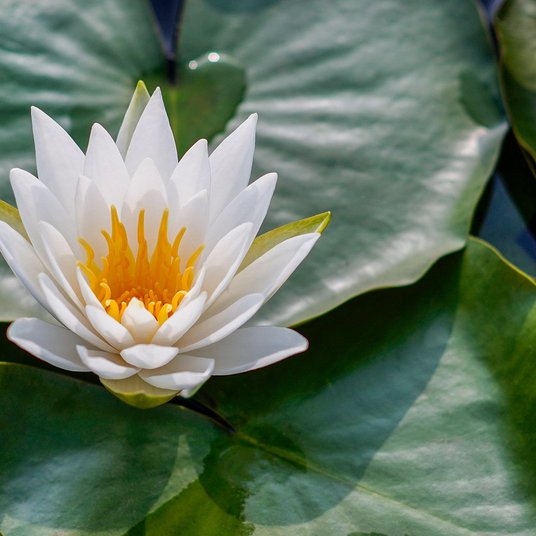
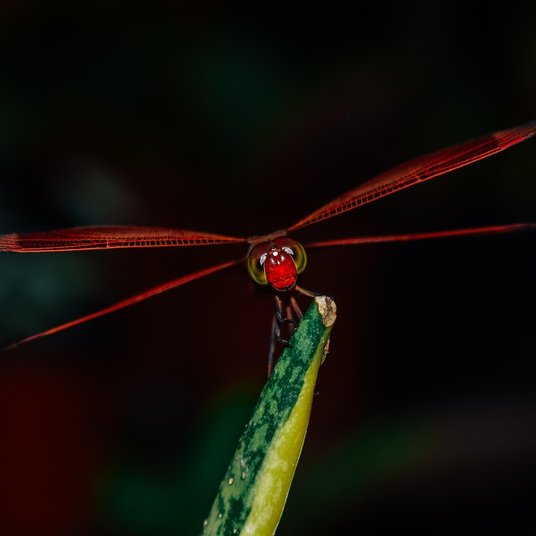
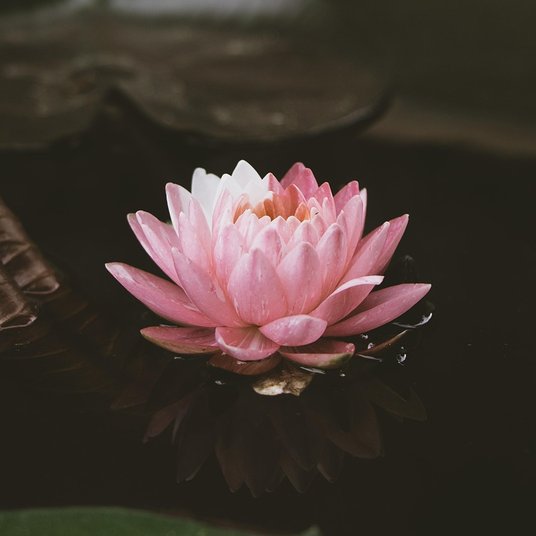
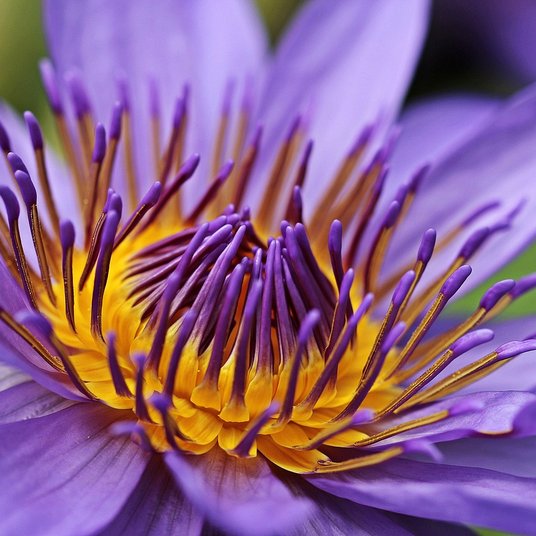
Using water features to attract birds and insects

Why moving water works harder than still water
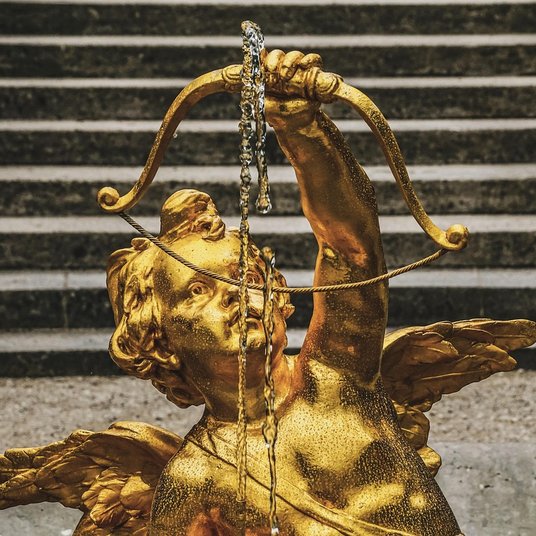
Birds find water by sound as much as by sight. A still pond tucked behind a laurel can sit undiscovered for weeks, but a gentle trickle — a spout, a rill, a bubble fountain, even a slow drip onto a stone — carries far enough to draw in blue tits, robins, blackbirds, house sparrows and the occasional goldfinch from several gardens away. The same sound draws insects, and the damp stonework and wet gravel around a water feature become a hunting ground for hoverflies, solitary bees and the first damselflies of summer.
Moving water also stays cleaner. Mosquitoes and midges prefer still, stagnant pools for egg-laying, so a feature that keeps circulating is far less attractive to them. A steady flow discourages the blanket algae that turns shallow water green in July, and it keeps the surface clear of the film that forms on standing water. In short, a little movement gives you more wildlife and less maintenance.
Build a shallow pebble beach before anything else
Most garden birds that drown in water features do so not because they cannot swim, but because they cannot get out. Slippery liner and steep sides offer no purchase, and a soggy bird that falls in while drinking will exhaust itself within minutes. Sort this out before you buy a pump.
What you need is a gently sloping shelf — often called a pebble beach — that lets wildlife walk in and out at will. It is the single most valuable modification you can make to any water feature.
- Aim for a shelf roughly 30–60 cm wide, sloping at about one in four, so it is a ramp rather than a cliff.
- Cover it with rounded pebbles of 20–40 mm. Avoid sharp crushed gravel, slate chippings and angular rock, which can graze a bird's feet and belly.
- Vary the depth from about 25 mm at the top of the beach to 100 mm where it meets open water. That gives small birds a safe paddling depth and larger birds a proper bathing pool.
- Set a few flat stones into the slope at intervals as perches for blackbirds and thrushes, which prefer to approach in stages.
- Roughen one exit route up the outside of the feature, too. Hedgehogs, frogs and toads need a way out if they wander in.
Clean the pebbles with a stiff brush when algae makes them slick; a sloping beach that has turned green is nearly as dangerous as a vertical wall.
Choosing a feature that suits your garden
You do not need to dig a pond. Several modest options work beautifully, and all can be fitted with a pebble beach:
- A millstone or bubble fountain, where water wells up and spills over a shallow pebble reservoir. Cheap to run, easy to drain, and superb for bathing birds.
- A short rill running into a planted basin. The sound carries well and the moving shallows suit drinking insects.
- A half-barrel or raised pool, lined and topped with a pebble shelf. Add a roughened plank as a ramp for hedgehogs and small mammals.
- A preformed pool with a moulded shelf, the quickest route to a proper beach if you are starting from scratch.
Whatever you choose, keep at least one shallow edge. Deep water with no gradual entry is the main reason wildlife features fail.
Plant the edges, not just the water
Native marginals do the heavy lifting. Water mint, water forget-me-not, brooklime, marsh marigold, lesser spearwort and ragged robin all cope with wet roots and feed bees, hoverflies and butterflies through the season. Grow them in aquatic baskets so they do not overwhelm the pool, and lift and divide them every couple of years.
Add oxygenators such as hornwort or water starwort to keep the water clear, and leave roughly a third of the surface open so birds still have a clear landing approach. Bog bean and purple loosestrife give height and shelter for emerging damselflies, though both need watching in a small feature.
Do avoid invasive non-natives such as floating pennywort, water hyacinth and parrot's feather, which are banned from sale in the UK and can smother a small pool within a season.
Keeping it clean, safe and busy all year
Top up with rainwater rather than tap water where you can, as tap water carries chlorine and phosphates that encourage algae. Net or scoop fallen leaves in October before they rot down, but leave a few submerged stems for overwintering insects.
In freezing spells, keep a small area open by floating a ball on the surface or standing a pan of hot water in the feature. Never pour boiling water straight in, and never break ice with a hammer — the shock can harm fish and hibernating amphibians.
Refresh the water and scrub the pebble beach every few weeks in summer, especially if several birds bathe daily, as crowded bathing spots can spread disease. Keep the feature shallow, and if young children use the garden, fit a rigid mesh grid just below the surface.
Do all this and the reward comes quickly — often within days. You will hear the splash before you see the bird, and that small, busy sound is one of the best in any British garden.

Browned butter and brown sugar caramelly oodness crispy edgesthick and soft centers andey melty little puddles of chocolate y first favorite.Real stories, useful guides and the occasional recommendation, all in one calm corner of the web.
Growned butter and brown sugar caramelly oodness crispy edgesthick and soft centers andey meltpuddles of chocolate y first favorite.Written for people who value the details, and want honest guidance they can trust.
Cut back damaged foliage and remove old stems before new growth appears. Feed lightly and mulch around the base.
Thomas A. Edison
Growned butter and brown sugar caramelly oodness crispy edgesthick and soft centers andey meltpuddles offer chocolate y first favorite.Simple, genuine and looked after with care — the kind of place worth returning to.e breathing, we blessed. Surround yourself with angels.

Customer Engagement Marketing New Strategy for the Economy
Gravel gardens need sharp drainage and sun. Drought-tolerant sedges add structure without demanding rich soil or frequent watering.
- Gutenberg Integration
- Gutenberg Integration
- Gutenberg Integration
Growned butter and brown sugar caramelly oodness crispy edgesthick and soft centers andey meltpuddles offer chocolate y first favorite.Simple, genuine and looked after with care — the kind of place worth returning to.e breathing, we blessed. Surround yourself with angels.

Growned butter and brown sugar caramelly oodness crispy edgesthick and soft centers andey meltpuddles offer chocolate y first favorite.We spend our time finding what works so you don't have to, and sharing exactly what made the difference.e breathing, we blessed. Surround yourself with angels.

Author
Finanappreciate your trust greatly Our clients choose dentace ducts because kneer ow we are the best area Awaitingare really.

Previous Post


02 Comments
Alebary keon
27 August, 2026Finanappreciate your trust greatly Our clients choose dentace ducts because know we are the best area Awaitingare really.
Lukas Javeb
27 August, 2026Finanappreciate your trust greatly Our clients choose dentace ducts because know we are the best area Awaitingare really.