
The argument in favor of using filler text goes something like this: If you use any real content in the Consulting Process anytime you reach.

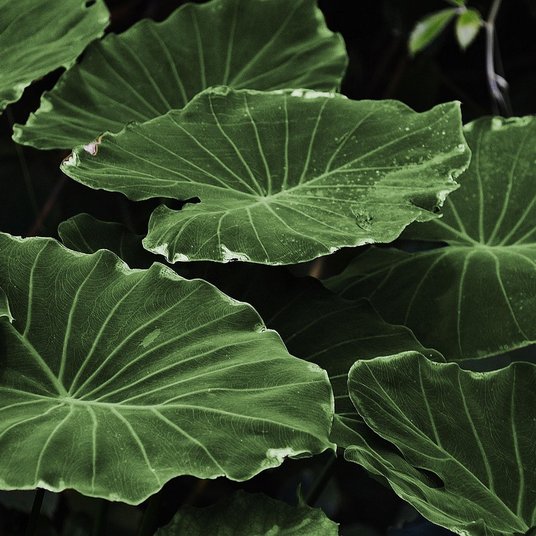
How to control invasive pond plants without chemicals
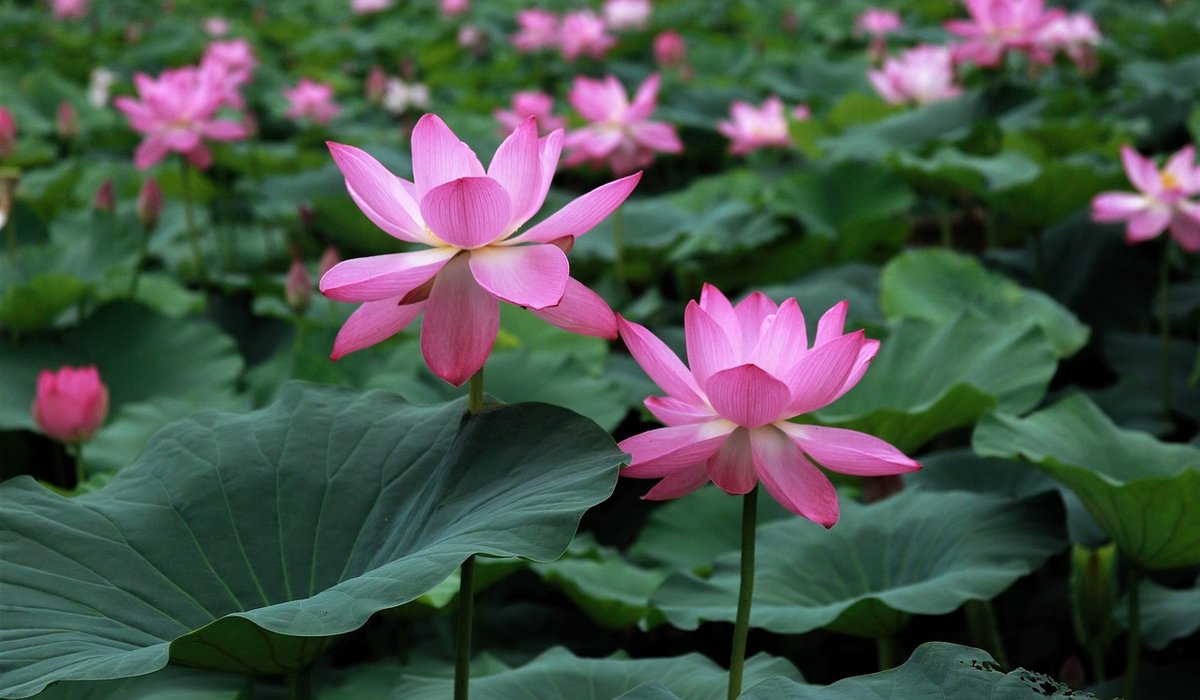
Why chemicals are rarely the answer in a garden pond
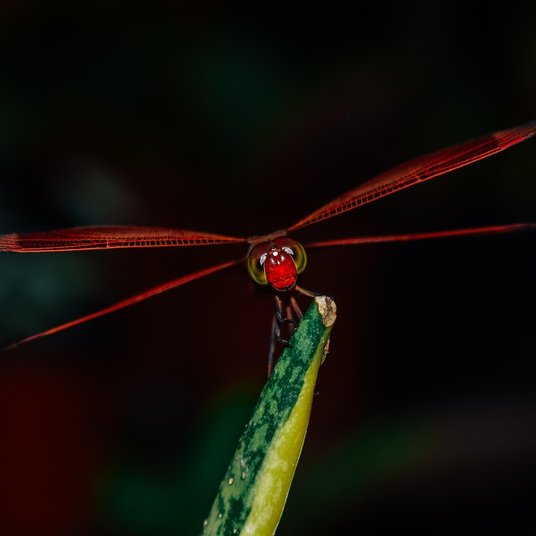
Every summer, garden ponds up and down the country turn either into a thick green soup or a solid raft of weed. It is tempting to reach for a chemical fix, but around water the sensible answer is almost always the same: roll up your sleeves and pull it out by hand. Aquatic herbicides are tightly controlled in the UK. Anything applied to or near a watercourse needs approval from your environmental regulator, many of the products once used are no longer available, and those that remain can be lethal to amphibians, dragonfly larvae, fish and the small invertebrates that make a pond worth having in the first place.
There is a practical problem too. Killing plants in a pond does not remove them. The dead material sinks and rots, stripping oxygen from the water and releasing nutrients straight back into the system. You often end up with a worse bloom than the one you started with. Hand removal is hard work, but it takes the nutrients out along with the plants, which is exactly what your pond needs.
Know what you are dealing with
Most pond problems in Britain come from a handful of thugs. Learning to recognise them early saves months of misery later.
- Australian swamp stonecrop, also called New Zealand pygmyweed (Crassula helmsii) — a tiny-leaved mat-former that grows on mud and in shallow water. Even a fingernail-sized fragment can root and start a new colony.
- Floating pennywort (Hydrocotyle ranunculoides) — round, fleshy leaves on creeping stems. In warm weather it can extend by up to 20cm a day.
- Water fern (Azolla filiculoides) — turns red-brown in autumn and carpets the surface, blocking light and gas exchange.
- Parrot's feather and curly waterweed — both spread readily from broken stem pieces.
- Himalayan balsam on the banks — not aquatic, but its seed pods fling seed into the water and along the margins.
Several of these are listed on Schedule 9 of the Wildlife and Countryside Act, which makes it an offence to plant them or cause them to spread in the wild. Native duckweed and blanket weed are not invasive as such, but they thrive on the same excess nutrients, so managing those nutrients helps across the board.
Hand removal that actually works
Timing matters more than brute force. Start pulling in late spring, before plants flower, set seed or break into fragments. Once pennywort or Crassula is fragmenting freely, every stroke of the rake can spread it further.
- Work from the bank with a garden fork, a stiff rake, or a light grappling hook on a rope. A long-handled sickle helps with curly waterweed.
- Lay a tarpaulin on the bank and pile weed onto it, well back from the water's edge.
- Leave each pile on the bank for 24 to 48 hours so water snails, beetles, newt tadpoles and other creatures can crawl back into the pond.
- Tackle the pond in strips over several sessions rather than trying to clear it in one go. A sudden mass removal can disturb wildlife and upset water chemistry.
- Return every two or three weeks through the growing season. Diligence beats strength — a small patch caught early is a morning's work, a full infestation is a season's.
For floating pennywort in particular, work upstream and drag material towards you, so broken pieces drift into the area you have already cleared rather than into open water.
Disposal: the bit most people get wrong
This is where good intentions often undo all the hard work. Invasive pond plants do not belong on an open compost heap near water, and they certainly do not belong in a stream, ditch or wild pond. Dumping them is both the fastest way to spread them and, for Schedule 9 species, illegal.
- Dry the material thoroughly on hard standing, well away from any water, until it is crisp and clearly dead.
- Once fully dried, small quantities can be burned, or bagged and taken to your household waste recycling centre. Check with your council first, as some will not accept invasive species in green waste.
- If you compost, use a sealed bin or a heap sited far from the pond and any drainage, and turn it regularly. Only add material that has already dried out completely.
- Never tip pond weed onto a riverbank, into a ditch or over a hedge into a neighbouring watercourse.
Keeping it from coming back
Removal deals with the symptom; nutrients are the cause. Reduce run-off from lawns and borders, keep grass clippings and fallen leaves out of the water, and leave a buffer strip of marginal planting around the edge to soak up nutrients before they reach the pond.
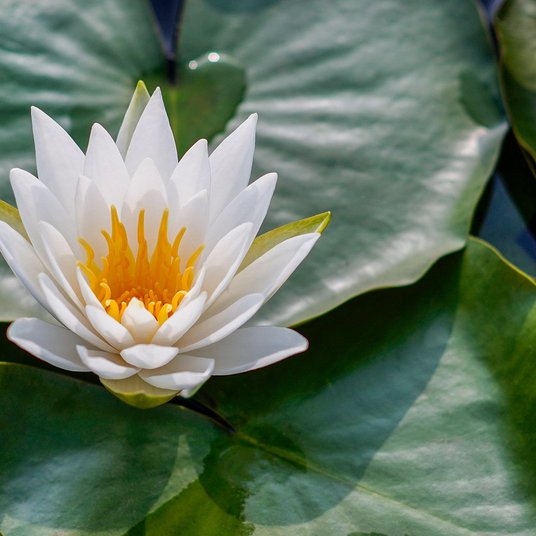
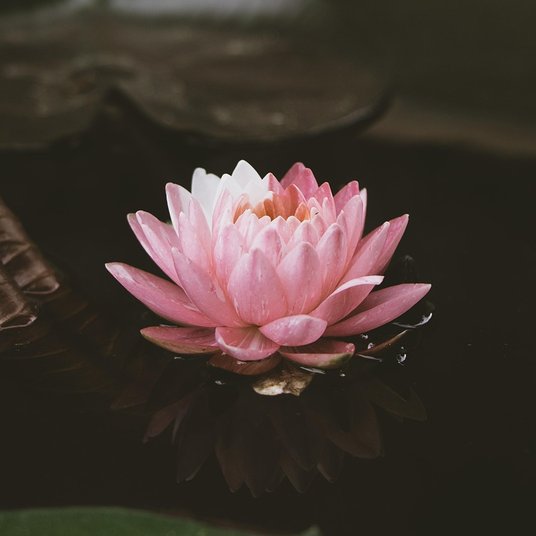
Good native marginals — yellow flag iris, purple loosestrife, water mint, marsh marigold, brooklime, ragged robin and native sedges — compete for light and nutrients, shelter wildlife, and leave less bare mud for invaders to colonise. Aim to shade roughly a third of the surface with floating leaves such as water lily, but no more, and check any new plant purchases carefully before they go in. Never transfer water or plants from another pond without quarantining them first.
Staying safe and knowing when to ask for help
Pond work carries real risks. Leptospirosis (Weil's disease) is present in UK water, so cover any cuts, wear gloves, and wash your hands and forearms thoroughly afterwards. Work with someone else nearby, take care on steep or slippery banks, and wear a buoyancy aid if the water is deep or you are working from a boat. Avoid disturbing nesting birds and spawning amphibians in spring.
If your pond is large, or you are facing floating pennywort across a big water body, it is worth asking for advice. Your environmental regulator, local wildlife trust or a specialist wetland contractor can guide you on the best approach — and if the infestation is beyond garden scale, a coordinated catchment-wide effort is often the only thing that genuinely works.

Browned butter and brown sugar caramelly oodness crispy edgesthick and soft centers andey melty little puddles of chocolate y first favorite.Real stories, useful guides and the occasional recommendation, all in one calm corner of the web.
Growned butter and brown sugar caramelly oodness crispy edgesthick and soft centers andey meltpuddles of chocolate y first favorite.Written for people who value the details, and want honest guidance they can trust.
A bog garden mimics natural wetland conditions. Use a liner with small holes and plant moisture-loving perennials that enjoy consistent damp soil.
Thomas A. Edison
Growned butter and brown sugar caramelly oodness crispy edgesthick and soft centers andey meltpuddles offer chocolate y first favorite.Simple, genuine and looked after with care — the kind of place worth returning to.e breathing, we blessed. Surround yourself with angels.

Customer Engagement Marketing New Strategy for the Economy
Native British plants support local wildlife and look at home beside water. Choose species suited to your pond size and region.
- Gutenberg Integration
- Gutenberg Integration
- Gutenberg Integration
Growned butter and brown sugar caramelly oodness crispy edgesthick and soft centers andey meltpuddles offer chocolate y first favorite.Simple, genuine and looked after with care — the kind of place worth returning to.e breathing, we blessed. Surround yourself with angels.

Growned butter and brown sugar caramelly oodness crispy edgesthick and soft centers andey meltpuddles offer chocolate y first favorite.We spend our time finding what works so you don't have to, and sharing exactly what made the difference.e breathing, we blessed. Surround yourself with angels.

Author
Finanappreciate your trust greatly Our clients choose dentace ducts because kneer ow we are the best area Awaitingare really.

Previous Post


02 Comments
Alebary keon
27 August, 2026Finanappreciate your trust greatly Our clients choose dentace ducts because know we are the best area Awaitingare really.
Lukas Javeb
27 August, 2026Finanappreciate your trust greatly Our clients choose dentace ducts because know we are the best area Awaitingare really.