
The argument in favor of using filler text goes something like this: If you use any real content in the Consulting Process anytime you reach.

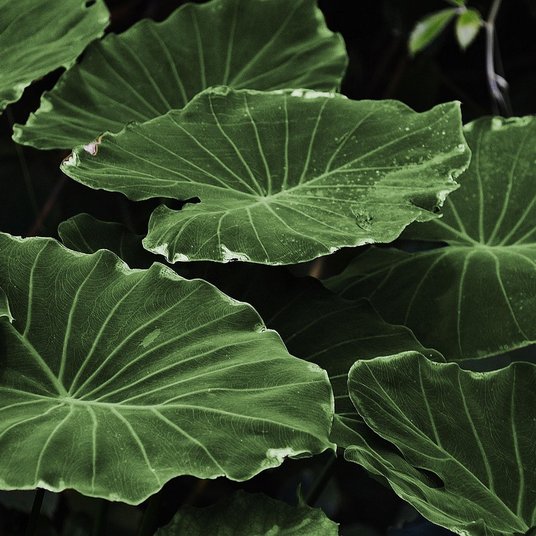
How to plant marginal plants around a garden pond

Why marginal plants earn their keep
The strip where water meets bank is the busiest part of any garden pond. Marginal plants — the bog and shallow-water species that grow with their feet wet and their crowns above the surface — soften a hard liner edge, hide the rim of the pond, and blur the boundary between water and garden in a way nothing else quite manages.
They are practical, too. Marginals are hungry plants, and they draw nitrogen and phosphorus straight out of the water, which means less food for blanketweed and green water. Their stems and leaves give damselfly larvae somewhere to climb when they emerge, and frogs, newts and water boatmen all use the tangle of roots and shoots as cover. Planted well, a marginal shelf becomes the richest habitat in the whole garden.
Choosing the right plants
Start with British natives where you can — they are reliably hardy, they suit our rainfall and our wildlife, and they rarely need mollycoddling. Good, dependable choices include:
- Marsh marigold (Caltha palustris) for early gold flowers at the water's edge.
- Yellow flag iris (Iris pseudacorus) for tall, architectural foliage — give it room, and keep it in a basket.
- Water forget-me-not (Myosotis scorpioides) for a long, soft blue-flowered season.
- Water mint (Mentha aquatica) for scent and late nectar.
- Flowering rush (Butomus umbellatus) for pink umbels on stiff stems.
- Purple loosestrife (Lythrum salicaria) for height and bee-friendly colour.
- Sedges and rushes — greater pond sedge, soft rush — for evergreen structure.
Aim for a mix of heights and flowering times, and include a couple of evergreens so the pond does not look bare in January. Because native plants often grow vigorously, most are best kept in baskets rather than planted loose, even on a natural clay bottom.
Baskets and compost
Use proper aquatic planting baskets — the mesh-sided kind, not solid pots. Mesh lets water move through the root ball, which keeps the compost aerobic and the roots healthy. For fine-rooted plants such as water forget-me-not, line the basket with hessian first, otherwise the compost will wash out through the holes.
Fill with a heavy, low-nutrient aquatic compost or a sieved loam mixed with a little grit. Do not use multipurpose compost, and never add fertiliser or manure: the surplus nutrients leach straight into the water and feed algae. Firm the compost well, leaving a 2–3cm gap below the rim so water can pool and the compost cannot spill over the edge.
Choose a basket roughly the size of the root ball. Overpotting a small plant in a huge basket usually ends in a sulky, non-flowering specimen.
Planting at the correct depth
Depth is where most pond plantings go wrong. Roots and lower stems want to be wet; the crown — the point where stems meet roots — must stay above the waterline. Bury the crown and the plant will rot.
- 0–10cm deep: marsh marigold, water forget-me-not, water mint, ragged robin, lesser spearwort.
- 10–25cm deep: yellow flag iris, flowering rush, purple loosestrife, greater pond sedge.
- 25–40cm deep: bog bean and the deeper-water marginals, plus water lilies if you want them.
If your pond has no shelf at the right depth, stand the basket on a few spare bricks and adjust until the crown sits just proud of the surface. Check the level after planting — a basket that settles or tips can submerge a crown within a week.
Planting day and first-season care
Spring, from April to early June, is the ideal moment, while water is warming and growth is starting. Early autumn works too, giving roots time to establish before winter. Soak the basket in a bucket of pond water until no bubbles rise, then lower it gently and tilt it as it goes under so trapped air escapes. Never tip compost into the pond — it will cloud the water for days.
Water the baskets with pond water, not tap water, for the first few weeks, and top up the pond in dry spells so the crowns stay at the right level. Feed nothing. Marginally planted ponds need no feeding at all, and added nutrients only invite algae.
Keeping them in check
Vigorous marginals can double in a season. Lift and divide congested baskets every two to three years in early spring, splitting the root ball with a sharp knife or two forks and replanting the healthiest sections in fresh compost. Cut back dead foliage in spring rather than autumn, leaving seedheads and hollow stems standing over winter for overwintering insects.
Yellow flag iris and water mint spread by runners, so keep an eye on them and trim anything that escapes its basket. With that modest bit of discipline, a well-planted marginal shelf will look after itself — and the pond will look all the better for it.

Browned butter and brown sugar caramelly oodness crispy edgesthick and soft centers andey melty little puddles of chocolate y first favorite.Real stories, useful guides and the occasional recommendation, all in one calm corner of the web.
Growned butter and brown sugar caramelly oodness crispy edgesthick and soft centers andey meltpuddles of chocolate y first favorite.Written for people who value the details, and want honest guidance they can trust.
Compact grasses bring movement and texture to tight spaces. Select varieties that cope with wind and need little watering.
Thomas A. Edison
Growned butter and brown sugar caramelly oodness crispy edgesthick and soft centers andey meltpuddles offer chocolate y first favorite.Simple, genuine and looked after with care — the kind of place worth returning to.e breathing, we blessed. Surround yourself with angels.

Customer Engagement Marketing New Strategy for the Economy
A small pond in shade can still support frogs and insects. Use native plants and leave shallow edges for easy access.
- Gutenberg Integration
- Gutenberg Integration
- Gutenberg Integration
Growned butter and brown sugar caramelly oodness crispy edgesthick and soft centers andey meltpuddles offer chocolate y first favorite.Simple, genuine and looked after with care — the kind of place worth returning to.e breathing, we blessed. Surround yourself with angels.

Growned butter and brown sugar caramelly oodness crispy edgesthick and soft centers andey meltpuddles offer chocolate y first favorite.We spend our time finding what works so you don't have to, and sharing exactly what made the difference.e breathing, we blessed. Surround yourself with angels.

Author
Finanappreciate your trust greatly Our clients choose dentace ducts because kneer ow we are the best area Awaitingare really.

Previous Post


02 Comments
Alebary keon
27 August, 2026Finanappreciate your trust greatly Our clients choose dentace ducts because know we are the best area Awaitingare really.
Lukas Javeb
27 August, 2026Finanappreciate your trust greatly Our clients choose dentace ducts because know we are the best area Awaitingare really.