
The argument in favor of using filler text goes something like this: If you use any real content in the Consulting Process anytime you reach.





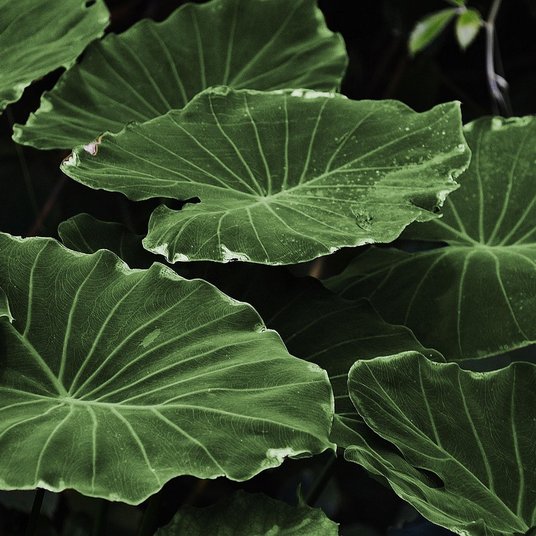
Spring care for evergreen ornamental grasses

Why spring is the making or breaking of evergreen grasses
Evergreen ornamental grasses earn their place in British gardens by holding colour and structure right through the grey months. Unlike deciduous grasses that die back to the ground and regrow from scratch, evergreens keep their leaves all winter — which is a blessing in January and a bit of a burden by March. Those same leaves have spent months battered by wind, rain, frost and snow, and they often look tired, bleached or snapped by the time spring arrives.
The trick is to intervene at exactly the right moment. Tidy too early, in a mild January spell, and you expose the crown to hard frosts that can kill it outright. Leave it too late, into May, and you end up cutting away the fresh green shoots along with the dead material, so the plant spends the rest of the year trying to catch up. Aim for late February to early April, once the worst of the frost has passed but before new growth is properly underway.
Which grasses actually count as evergreen
It helps to know what you are dealing with, because the treatment differs. True evergreens keep their foliage for the whole year and simply need a tidy-up. Semi-evergreens hold on to most of their leaves but often look shabby by spring, so a harder cut does them no harm.
- True evergreens: blue fescue (Festuca glauca), Japanese sedges such as Carex oshimensis and Carex morrowii, lilyturf (Liriope muscari), and pheasant's tail grass (Anemanthele lessoniana) in all but the coldest gardens.
- Semi-evergreens: tufted hair grass (Deschampsia cespitosa), snow wood-rush (Luzula nivea) and many of the larger Carex species.
- Genuinely deciduous: miscanthus, calamagrostis and switch grass. These want cutting hard to within a few inches of the ground, which is a different job entirely.
If you are not sure which you have, watch the base of the clump in early spring. If fresh shoots are pushing up through the middle while the outer leaves are still green, it is evergreen. If the whole thing looks like straw, treat it as deciduous.
Cutting back damaged foliage
For true evergreens, the goal is to remove only what is dead, brown or broken, leaving the healthy green leaves to carry on photosynthesising. Do not scalp the plant — that is the single most common mistake and it sets growth back by months.
Start by gathering the foliage into one hand, wearing gloves, and combing through it with your fingers to tease out the loose, dead blades. A small hand rake or a fine-toothed plastic rake works well on larger clumps. Then take sharp shears or secateurs and snip out individual brown leaves right down at the base, cutting cleanly rather than tugging.
Where a clump has a dense mat of dead material sitting on top of the crown, you can grasp it firmly and pull it away in handfuls. For sedges such as Carex, which have tough, leathery leaves, a firm stroke with a spring-tined rake removes most of the brown without touching the green. If the whole clump has gone more than half brown, cut it back to about 5-8cm above the crown and let it start again — it will look bare for a few weeks but recover strongly.
Removing old flower stems and seed heads
Evergreen grasses often carry last year's flowering stems through winter, and these are usually the first thing to look tatty. Cut them off at the base, as low as you can reach without nicking the new shoots.
- Snip flower stems individually with secateurs rather than pulling, which can uproot shallow-rooted clumps.
- On Anemanthele and Deschampsia, the airy seed heads shatter everywhere — cut them into a bag or a bucket to save yourself a weeding job later.
- Leave a few stems on plants in exposed, windy spots until mid-spring, as they shelter the crown and the emerging shoots.
- Bin or compost the debris. Do not leave it lying on the crown, where it traps damp and encourages rot.
Feeding lightly and mulching around the base
Evergreen grasses are not hungry plants, and overfeeding produces floppy, weak growth that flops open in the first summer storm. A light touch is what you want.
Scatter a balanced slow-release granular feed at roughly half the rate recommended on the packet, or simply top-dress with two or three centimetres of well-rotted garden compost or leafmould. If you garden on heavy clay, a handful of horticultural grit worked into the surface improves drainage around the crown, which matters more than extra nutrients for most grasses.
Mulch in a ring around the plant, keeping the material clear of the crown itself. Piling mulch up against the base of a grass is a reliable way to rot it out, particularly in wet western gardens where sedges and fescues already sit in damp soil. A gap of a few centimetres between the mulch and the newest shoots is ideal. Water the mulch in gently if the weather stays dry, and that is the job done for another year.
What to expect afterwards
A well-tended evergreen grass should look neat within a fortnight and start pushing fresh colour by mid-April. Blue fescues will brighten noticeably as new leaves replace the bleached ones, and sedges will send up crisp new blades from the centre of the clump.
If a clump looks bald and woody in the middle, that is your signal it needs lifting and dividing — best done in early autumn, though spring works if you water diligently. And if new growth fails entirely after a hard winter, check the crown: soft, brown and mushy means it has rotted, and the plant is best replaced. On the whole, though, a little spring attention keeps these workhorses earning their keep for many years in borders, gravel gardens and damp corners alike.

Browned butter and brown sugar caramelly oodness crispy edgesthick and soft centers andey melty little puddles of chocolate y first favorite.Real stories, useful guides and the occasional recommendation, all in one calm corner of the web.
Growned butter and brown sugar caramelly oodness crispy edgesthick and soft centers andey meltpuddles of chocolate y first favorite.Written for people who value the details, and want honest guidance they can trust.
Gravel gardens need sharp drainage and sun. Drought-tolerant sedges add structure without demanding rich soil or frequent watering.
Thomas A. Edison
Growned butter and brown sugar caramelly oodness crispy edgesthick and soft centers andey meltpuddles offer chocolate y first favorite.Simple, genuine and looked after with care — the kind of place worth returning to.e breathing, we blessed. Surround yourself with angels.

Customer Engagement Marketing New Strategy for the Economy
Invasive pond plants spread quickly and choke native species. Remove them by hand, compost thoroughly, and avoid chemical treatments near water.
- Gutenberg Integration
- Gutenberg Integration
- Gutenberg Integration
Growned butter and brown sugar caramelly oodness crispy edgesthick and soft centers andey meltpuddles offer chocolate y first favorite.Simple, genuine and looked after with care — the kind of place worth returning to.e breathing, we blessed. Surround yourself with angels.

Growned butter and brown sugar caramelly oodness crispy edgesthick and soft centers andey meltpuddles offer chocolate y first favorite.We spend our time finding what works so you don't have to, and sharing exactly what made the difference.e breathing, we blessed. Surround yourself with angels.

Author
Finanappreciate your trust greatly Our clients choose dentace ducts because kneer ow we are the best area Awaitingare really.

Previous Post


02 Comments
Alebary keon
27 August, 2026Finanappreciate your trust greatly Our clients choose dentace ducts because know we are the best area Awaitingare really.
Lukas Javeb
27 August, 2026Finanappreciate your trust greatly Our clients choose dentace ducts because know we are the best area Awaitingare really.