
The argument in favor of using filler text goes something like this: If you use any real content in the Consulting Process anytime you reach.




Building a bog garden for moisture-loving perennials
Why a bog garden earns its place
Every garden has a spot that refuses to behave. Maybe it is the dip at the bottom of the lawn, the corner where the drain overflows, or the shady patch that stays sticky long after the rest of the border has dried out. A bog garden turns that problem ground into one of the most generous features you can own.
It mimics the conditions of a natural wetland: soil that stays consistently damp but never floods for weeks on end, rich in organic matter and low in competition from thirsty, dry-loving plants. The perennials that enjoy this treatment are among the most dramatic in the British garden — enormous leaves, tall spires of flower, a relaxed and slightly wild character that suits our damp, changeable climate perfectly. Build one and you also build a home for damselflies, frogs, newts and hoverflies.
It is a weekend project, not a career. The trick is to line the bed so moisture is held, but to add small drainage holes so it never becomes a stagnant, airless sump.
Choosing a site and sizing it up
Most moisture lovers cope with anything from full sun to light shade. A spot that catches a few hours of sun will flower better; deep shade suits ferns and hostas but gives you less colour. Avoid ground beneath greedy trees and shrubs, which will steal water and drop leaves into the mix.
Near a downpipe or at the low point of the garden is ideal, though not essential — you will be watering it in any case. As for size, even a bed of 1.5 metres by 1 metre makes a proper feature, and something closer to 3 metres by 2 metres lets you plant in bold, naturalistic groups rather than a scatter of singles.
Digging and lining the hole
Aim for a finished depth of at least 45cm, and 60cm if you fancy Rodgersia, Darmera or other thumping great perennials. Mark the shape with a hose or a trickle of sand, strip the turf, and keep the best topsoil to one side.
- Excavate to the full depth, then fork over the base to break up any pan.
- Remove sharp stones and roots, then cushion the hole with old carpet, fleece or a thick layer of sand.
- Use butyl or EPDM liner, ideally 1mm thick, and fold the corners neatly rather than cutting them.
- Punch a series of holes — pencil-sized is plenty — around the sides of the liner, roughly 20cm below the intended soil surface and spaced 30–45cm apart.
- Leave the top 30cm of liner intact so the bed still holds a reservoir of moisture.
Those holes are the heart of the design. They let surplus winter rain drain away slowly while the lower part of the bed stays permanently damp, which is exactly what wetland perennials want.
Filling with the right growing mix
Do not fill the liner with ordinary multipurpose compost. It is too rich and too airy, and it will collapse into a slimy mess within a season. Mix your own instead, roughly two parts garden topsoil to one part sieved leafmould or well-rotted garden compost, with a couple of handfuls of lime-free grit or sharp sand per barrowload to keep it open.
Go peat-free without hesitation — leafmould, composted bark and homemade compost do the job better and with a clearer conscience. Firm the mix gently as you go to avoid air pockets, and finish about 5cm below the surrounding ground level so rainwater gathers rather than runs off. Water it thoroughly, then leave it a fortnight to settle before planting.
Plants that thrive with wet feet
Plant in bold groups of three or five. Good choices for a British bog garden include:
- Structure: Rodgersia aesculifolia, Darmera peltata, Rheum palmatum.
- Foliage: hostas, Ligularia 'The Rocket', shuttlecock fern (Matteuccia struthiopteris), royal fern (Osmunda regalis).
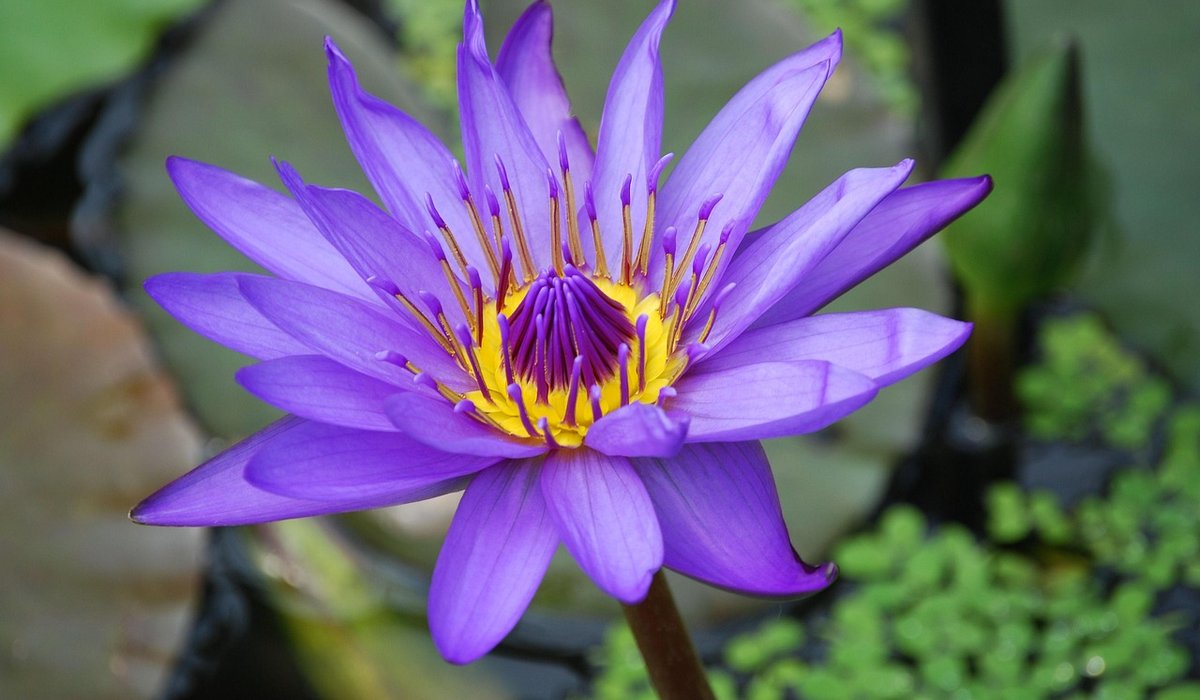
- Flower: candelabra primulas, Astilbe, Iris sibirica, Trollius, Lobelia cardinalis, marsh marigold (Caltha palustris).
- British natives: purple loosestrife (Lythrum salicaria), meadowsweet (Filipendula ulmaria), ragged robin (Lychnis flos-cuculi), water mint, Geum rivale.
- Grasses and sedges: Carex elata 'Aurea', Molinia caerulea, Juncus effusus.
Two cautions. Yellow flag iris (Iris pseudacorus) is beautiful but thuggish — sink it in a pot. Houttuynia cordata 'Chameleon' is charming and utterly rampant; treat it the same way.
Planting and long-term care
Spring or early autumn are the safest times to plant. Set each crown level with the soil surface, firm in, and water well. A mulch of coarse gravel or chunky bark keeps the surface damp, suppresses weeds and stops soil splashing onto leaves, but avoid fine bark, which floats.
Keep the bed watered through its first summer and never let it dry out completely. After that, top it up in dry spells and cut old foliage back in late winter, leaving a few seedheads for the birds. Every few years, lift and divide congested clumps in early spring — this reinvigorates the plants and keeps the bullies in check. Watch for slugs on hostas and ligularias, and clear fallen leaves in autumn so the bed does not go sour. Do that, and your wettest corner will become the liveliest part of the garden.

Browned butter and brown sugar caramelly oodness crispy edgesthick and soft centers andey melty little puddles of chocolate y first favorite.Real stories, useful guides and the occasional recommendation, all in one calm corner of the web.
Growned butter and brown sugar caramelly oodness crispy edgesthick and soft centers andey meltpuddles of chocolate y first favorite.Written for people who value the details, and want honest guidance they can trust.
Native British plants support local wildlife and look at home beside water. Choose species suited to your pond size and region.
Thomas A. Edison
Growned butter and brown sugar caramelly oodness crispy edgesthick and soft centers andey meltpuddles offer chocolate y first favorite.Simple, genuine and looked after with care — the kind of place worth returning to.e breathing, we blessed. Surround yourself with angels.

Customer Engagement Marketing New Strategy for the Economy
Leave seed heads for birds and winter interest, then cut grasses back in early spring before fresh shoots emerge from the crown.
- Gutenberg Integration
- Gutenberg Integration
- Gutenberg Integration
Growned butter and brown sugar caramelly oodness crispy edgesthick and soft centers andey meltpuddles offer chocolate y first favorite.Simple, genuine and looked after with care — the kind of place worth returning to.e breathing, we blessed. Surround yourself with angels.

Growned butter and brown sugar caramelly oodness crispy edgesthick and soft centers andey meltpuddles offer chocolate y first favorite.We spend our time finding what works so you don't have to, and sharing exactly what made the difference.e breathing, we blessed. Surround yourself with angels.

Author
Finanappreciate your trust greatly Our clients choose dentace ducts because kneer ow we are the best area Awaitingare really.

Previous Post


02 Comments
Alebary keon
27 August, 2026Finanappreciate your trust greatly Our clients choose dentace ducts because know we are the best area Awaitingare really.
Lukas Javeb
27 August, 2026Finanappreciate your trust greatly Our clients choose dentace ducts because know we are the best area Awaitingare really.