
The argument in favor of using filler text goes something like this: If you use any real content in the Consulting Process anytime you reach.
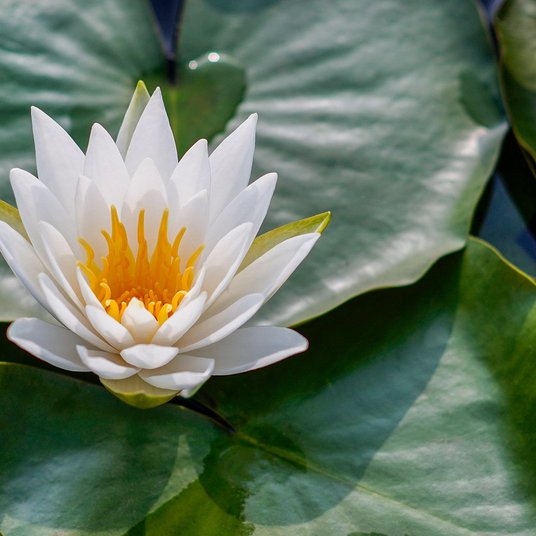
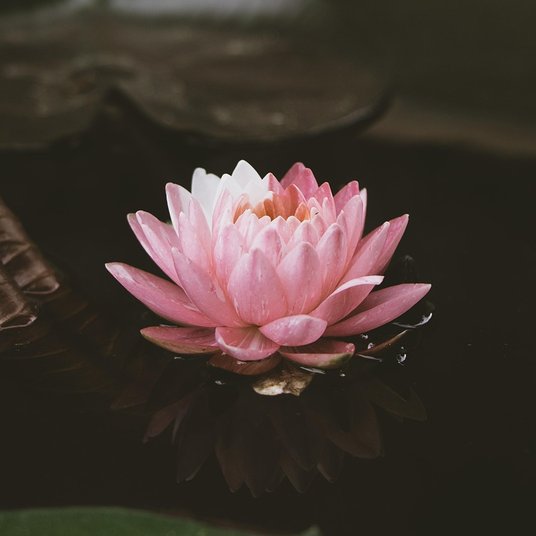
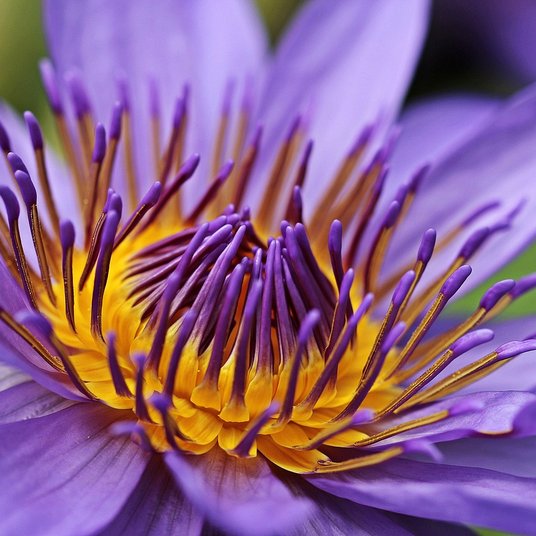

Creating a wildlife-friendly pond in a shady corner
Why a shady corner can make a superb pond
Most pond advice assumes full sun, but in a British garden the shadiest corner is often the dampest, the most sheltered and the one part of the plot you never quite know what to do with. A pond is usually the answer. Shade brings real advantages: water warms slowly, so it holds more oxygen through the summer, blanket weed and green water are far less troublesome, and the cool, humid microclimate suits frogs, newts and a great many invertebrates that would dry out on a sunny lawn.
Look for dappled shade rather than deep, permanent gloom. The filtered light beneath a deciduous tree or beside a north-facing fence is ideal. Deep shade under dense conifers is harder work — you can still have a pond there, but expect slower plant growth and a great deal more leaf litter.
Designing for easy access: the shallow edges matter most
For wildlife, the profile of the pond matters far more than its size. A pond a metre and a half across can support a surprising amount of life if it is built with gentle gradients rather than steep sides.
- A shallow beach — a shelf just 2–5cm deep and at least 30cm wide, sloping gradually into the water. Frogs, birds and hedgehogs use this to drink and bathe, and it is where spawn is often laid.
- A middle shelf around 20–30cm deep, wide enough to take a few planted baskets.
- A deeper sump of 60cm or more in the centre, so the pond never freezes solid in a hard winter and creatures have somewhere to retreat.
Aim for roughly a third open water and two thirds planted, with at least one gently sloping side. Sit a piece of stone or a weathered log at the edge as an escape route; newts and frogs will use it after heavy rain. Avoid vertical sides with a raised lip of liner, which trap small animals.
Native plants that cope with shade
Shade limits your plant list, but the British native palette still offers plenty. Work to a mix of submerged oxygenators, marginals and a little floating cover.
- Marginals for dappled shade: water avens (Geum rivale), meadowsweet (Filipendula ulmaria), water forget-me-not (Myosotis scorpioides), brooklime (Veronica beccabunga), ragged robin (Lychnis flos-cuculi) and marsh marigold (Caltha palustris), which flowers early before the tree canopy closes over.
- Structure and stems: soft rush (Juncus effusus) and sedges such as Carex pendula and Carex remota. These give emerging insects somewhere to climb.
- Oxygenators: hornwort (Ceratophyllum demersum) and water starwort (Callitriche species) both tolerate lower light levels. Plant them in baskets of loam, or weight small bunches and drop them in.
- Floating cover: frogbit (Hydrocharis morsus-ranae) does well in partial shade. Keep it to about a third of the surface so light and oxygen can still reach the water.
Use loam-based aquatic compost, never garden soil or multipurpose compost, which is far too rich and will feed algae. Top the baskets with gravel so birds and frogs cannot root about in the compost.
Planting the banks and the ground beyond the water
Half the value of a wildlife pond lies in the damp ground around it. Leave a strip of unmown, rough grass on at least one side; frogs and toads will use it to hunt and to shelter over winter. Underplant the edges with shade-tolerant natives such as bugle (Ajuga reptans), wood anemone, wild garlic and ferns. A small log pile or a few stacked stones nearby makes an excellent hibernation site for frogs and a basking spot for insects.
Do not be tempted to introduce fish. Even a few goldfish will strip a small pond of tadpoles and invertebrates, and they cloud the water badly.
What you can expect to see
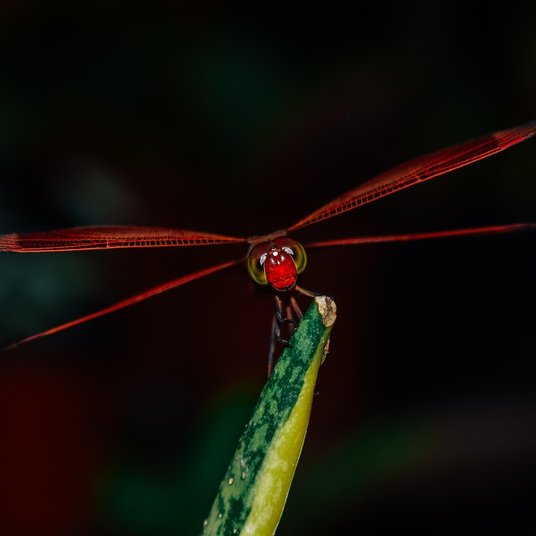
Be patient, and prepare to be surprised. A new pond is often colonised within weeks — water beetles and pond skaters usually arrive under cover of darkness, flying in from neighbouring gardens. Common frogs and smooth newts may take a season or two, but once they find a pond they tend to stay. In shade you will attract more damselflies than dragonflies, along with caddisflies, lesser water boatmen, hoverflies and bats drinking at dusk.
Expect a slower start in spring than a sunny pond. Shaded water warms later, so frogspawn may appear a fortnight after the pond down the road. It is well worth the wait.
Autumn leaves and year-round care
Fallen leaves are the main maintenance issue in a shady corner. Left to sink, they break down and use up oxygen, so rake or net them out in October and November and add them to the compost heap. If the pond sits under a tree, a temporary net stretched over the surface for a few weeks saves a great deal of work. Top up in dry spells with rainwater from a butt rather than tap water, which carries nutrients and chlorine.
Resist the urge to tidy the whole pond in autumn. Leave seed heads and hollow stems standing for overwintering insects, and cut back only what is genuinely swamping the water, ideally in early spring before growth restarts. A shady pond asks very little of you once it is established — and gives back far more than the sunny corner ever could.

Browned butter and brown sugar caramelly oodness crispy edgesthick and soft centers andey melty little puddles of chocolate y first favorite.Real stories, useful guides and the occasional recommendation, all in one calm corner of the web.
Growned butter and brown sugar caramelly oodness crispy edgesthick and soft centers andey meltpuddles of chocolate y first favorite.Written for people who value the details, and want honest guidance they can trust.
Divide congested sedge clumps every few years to restore vigour. Lift the root ball, split it with a knife, and replant.
Thomas A. Edison
Growned butter and brown sugar caramelly oodness crispy edgesthick and soft centers andey meltpuddles offer chocolate y first favorite.Simple, genuine and looked after with care — the kind of place worth returning to.e breathing, we blessed. Surround yourself with angels.

Customer Engagement Marketing New Strategy for the Economy
Moving water attracts birds for drinking and bathing. Add a shallow pebble beach so wildlife can safely approach the feature.
- Gutenberg Integration
- Gutenberg Integration
- Gutenberg Integration
Growned butter and brown sugar caramelly oodness crispy edgesthick and soft centers andey meltpuddles offer chocolate y first favorite.Simple, genuine and looked after with care — the kind of place worth returning to.e breathing, we blessed. Surround yourself with angels.

Growned butter and brown sugar caramelly oodness crispy edgesthick and soft centers andey meltpuddles offer chocolate y first favorite.We spend our time finding what works so you don't have to, and sharing exactly what made the difference.e breathing, we blessed. Surround yourself with angels.

Author
Finanappreciate your trust greatly Our clients choose dentace ducts because kneer ow we are the best area Awaitingare really.

Previous Post


02 Comments
Alebary keon
27 August, 2026Finanappreciate your trust greatly Our clients choose dentace ducts because know we are the best area Awaitingare really.
Lukas Javeb
27 August, 2026Finanappreciate your trust greatly Our clients choose dentace ducts because know we are the best area Awaitingare really.