
The argument in favor of using filler text goes something like this: If you use any real content in the Consulting Process anytime you reach.
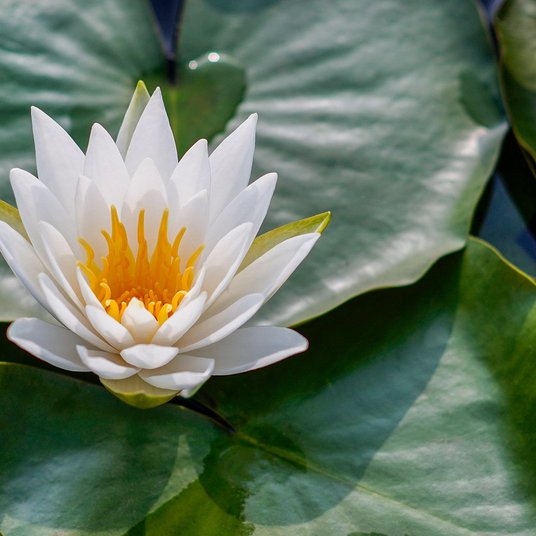


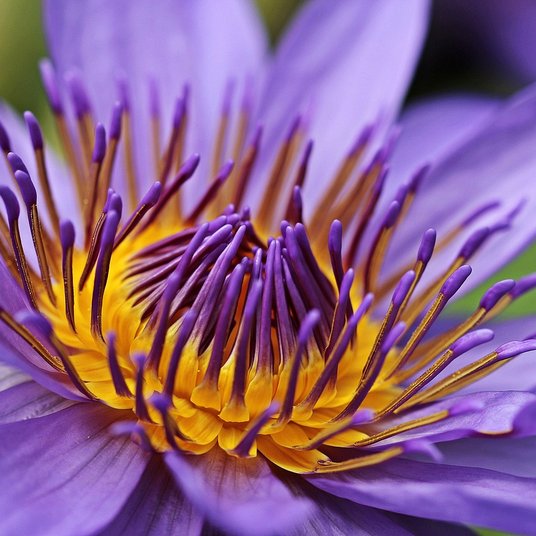

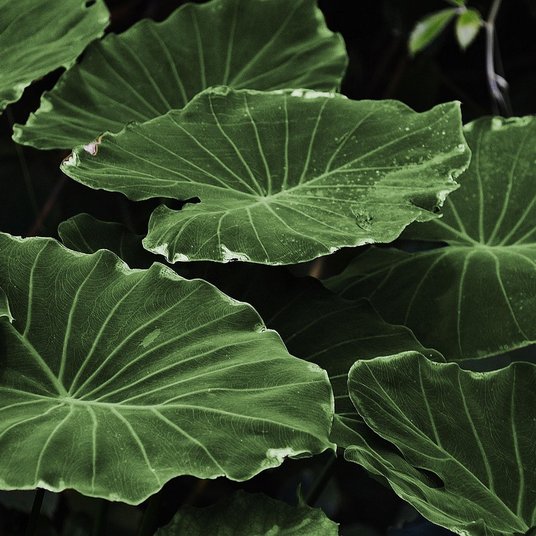
Making a container water feature for a small patio
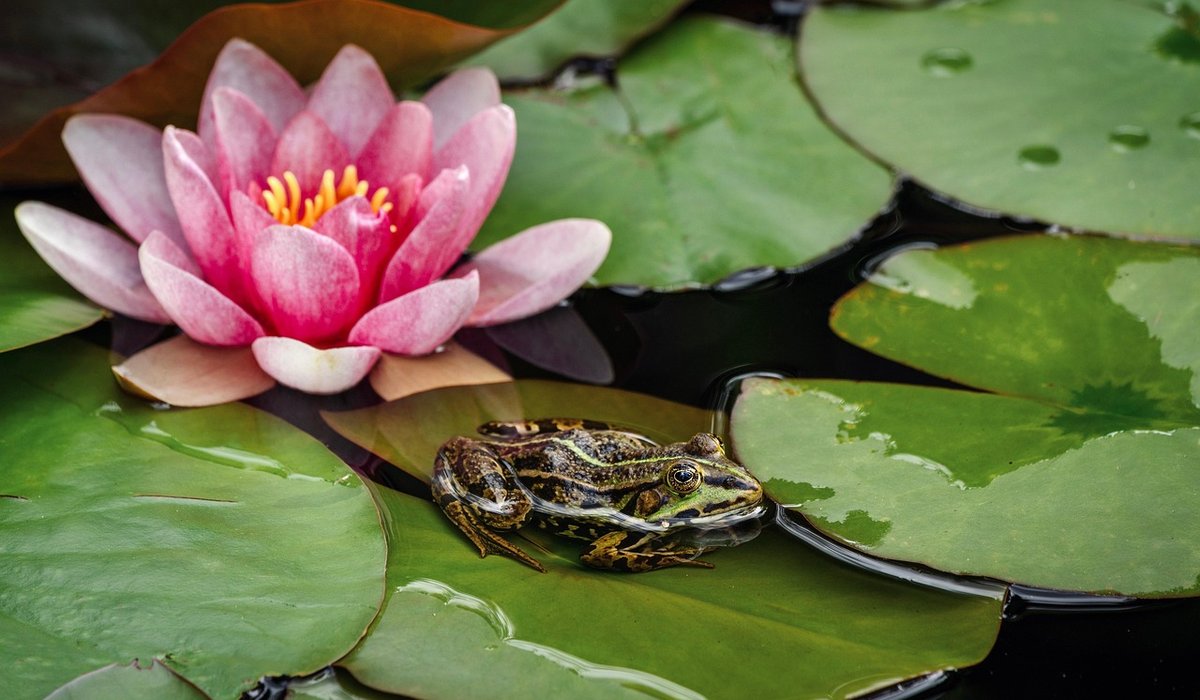
Why a pot of water earns its place on a small patio
Even the smallest paved courtyard can hold a water feature. A glazed pot, a modest pump and a handful of British marginal plants will give you the sound of moving water, a place for birds to drink and bathe, and a steady trickle of insect visitors through the summer. You do not need a pond, a liner or a digger. What you do need is a frost-proof container with no drainage hole, a low-voltage pump, and the discipline to top it up every few days.
This is a slightly high-maintenance feature, but only in small, regular doses. Ten minutes a fortnight, plus a top-up from the watering can, keeps it clear and healthy from April to October.
Choosing the pot and siting it sensibly
Aim for something between 40cm and 60cm across, with straight-ish sides rather than a narrow neck. Volume matters more than height: 30 to 40 litres of water stays more stable in hot weather and gives plants room to root. Check the base for a drainage hole. Many glazed pots have one, and it will need sealing with a rubber bung and a smear of silicone sealant. Untreated terracotta is a poor choice, because it is porous, cracks in hard frost, and can leach lime into the water.
Site the pot on level paving, ideally where you will hear it from the kitchen door or a favourite chair. A spot that gets morning sun and some afternoon shade suits most plants and discourages algae. If you can, place it near a paved edge where birds can approach safely, and near an outdoor socket fitted with RCD protection. Keep the low-voltage cable tucked under the pot or along a wall so nobody trips over it.
A word on weight. A 40-litre pot filled with water, compost and gravel is heavy, and it will not be moving once planted. Choose the final position before you fill it, and stand it on a couple of bricks or a flag if you want it raised.
Setting up the pump for gentle sound
You want a murmur, not a jet. A small pump rated at roughly 200 to 400 litres per hour is plenty. Look for one with an adjustable flow, and choose low voltage for safety. Solar pumps work in sunny spots but fall silent on grey days, which rather defeats the purpose in a British summer.
Set the pump on an upturned plant pot or a slate so the intake sits clear of silt and does not clog. Run the hose up to a simple spout: a short length of bamboo, a small slate lip, or a little stack of pebbles that lets the water tumble back in. A fall of 10 to 15cm gives the most pleasing sound for the least splash. Too much splash means constant topping up and water lost over the rim.
Planting it with native and wetland favourites
Use proper aquatic compost, which is low in nutrients, and plant into mesh baskets lined with hessian to stop the compost clouding the water. Then add a layer of pea gravel on top to weigh everything down and stop birds flicking compost about.
Good choices for a small container, all reliably hardy:
- Marsh marigold (Caltha palustris) — golden flowers in early spring, adored by early bees.
- Water forget-me-not (Myosotis scorpioides) — soft blue flowers for months on end.
- Brooklime (Veronica beccabunga) — glossy leaves and small blue spikes, very tough.
- Water mint (Mentha aquatica) — aromatic, buzzing with hoverflies, but keep it in its basket.
- Lesser spearwort (Ranunculus flammula) — neat buttercup flowers on a compact plant.
- Creeping jenny (Lysimachia nummularia) — trails over the rim and softens the edge.
Add a small bunch of hornwort as an oxygenator, weighted with a pebble. It competes with algae and gives cover for tiny creatures. Leave a shallow sloping beach of pebbles at one side so birds can bathe and hedgehogs, frogs or the odd newt can climb out. Skip goldfish entirely: in a pot this size they foul the water and eat everything else.
Topping up and keeping it clean
Water level is the thing most people get wrong. In warm weather, check daily and top up with rainwater from a butt if you can. Tap water is acceptable, but let it stand in a can for 24 hours first so the chlorine disperses. Never let the level drop below the pump intake, because a pump run dry will burn out within minutes.
Clean the pump every four to six weeks. Unplug it first, lift it out, twist off the impeller cover and rinse the impeller and the small rubber gasket under a tap. A soft brush and a pin for the grit are all you need. Blanketweed and duckweed should be twirled out with a stick or a small net, not treated with chemicals, which would kill the wildlife you have worked to attract. Thin plants in late summer, deadhead the marsh marigold after flowering, and scoop out fallen leaves in autumn before they rot.
Through the winter
Frost is the main risk to a glazed pot, and to the pump. Keep the pump running if you can, since moving water freezes more slowly. If a hard spell is forecast, unplug it, clean it and store it indoors in a bucket of water so the seals do not dry out. Leave the plants in place and move the pot to a sheltered corner against a wall if that is practical. Never smash ice on the surface, as the shock can crack the glaze and harm overwintering creatures; pour on a little warm water instead. By March the marsh marigold will be budding, and the whole thing starts again.

Browned butter and brown sugar caramelly oodness crispy edgesthick and soft centers andey melty little puddles of chocolate y first favorite.Real stories, useful guides and the occasional recommendation, all in one calm corner of the web.
Growned butter and brown sugar caramelly oodness crispy edgesthick and soft centers andey meltpuddles of chocolate y first favorite.Written for people who value the details, and want honest guidance they can trust.
Clay soil holds water well but can compact easily. Add organic matter and choose grasses that tolerate both wet and dry spells.
Thomas A. Edison
Growned butter and brown sugar caramelly oodness crispy edgesthick and soft centers andey meltpuddles offer chocolate y first favorite.Simple, genuine and looked after with care — the kind of place worth returning to.e breathing, we blessed. Surround yourself with angels.

Customer Engagement Marketing New Strategy for the Economy
Sedge roots bind soil and reduce bank erosion. Plant in spring or autumn and water well until established along the waterline.
- Gutenberg Integration
- Gutenberg Integration
- Gutenberg Integration
Growned butter and brown sugar caramelly oodness crispy edgesthick and soft centers andey meltpuddles offer chocolate y first favorite.Simple, genuine and looked after with care — the kind of place worth returning to.e breathing, we blessed. Surround yourself with angels.

Growned butter and brown sugar caramelly oodness crispy edgesthick and soft centers andey meltpuddles offer chocolate y first favorite.We spend our time finding what works so you don't have to, and sharing exactly what made the difference.e breathing, we blessed. Surround yourself with angels.

Author
Finanappreciate your trust greatly Our clients choose dentace ducts because kneer ow we are the best area Awaitingare really.

Previous Post


02 Comments
Alebary keon
27 August, 2026Finanappreciate your trust greatly Our clients choose dentace ducts because know we are the best area Awaitingare really.
Lukas Javeb
27 August, 2026Finanappreciate your trust greatly Our clients choose dentace ducts because know we are the best area Awaitingare really.