
The argument in favor of using filler text goes something like this: If you use any real content in the Consulting Process anytime you reach.
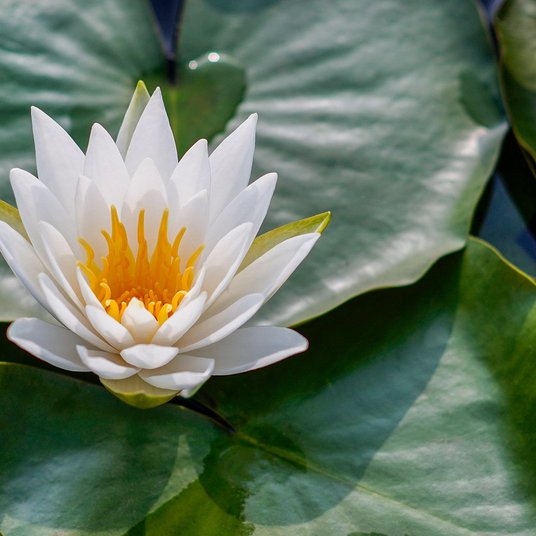





Understanding light needs for wetland garden plants

Why light is the first thing to get right
Every wetland plant you buy comes with a set of preferences, but light is the one that quietly governs all the others. A sedge that sulks in deep shade will grow pale and floppy, while a marsh marigold baked in full midday sun may scorch at the leaf edges and stop flowering altogether. Get the light right and the rest of the job — moisture, soil, feeding — becomes far more forgiving.
British gardens are wonderfully varied in the light they offer, from a baking south-facing patio to a damp, shaded corner behind a shed. The good news is that our native and naturalised wetland plants have evolved to fill almost every niche along that spectrum. The trick is matching the plant to the spot rather than forcing the spot to suit the plant.
Reading your light levels honestly
Before you choose anything, spend a day watching the space. Light in a British garden shifts constantly through the year, and a border that is bright in June may be gloomy by November once the sun sits lower and deciduous trees leaf out or drop.
As a rough guide, most growers work with three bands:
- Full sun — six or more hours of direct light in midsummer, including the fierce middle of the day.
- Partial or dappled shade — three to six hours, or bright light filtered through a light canopy of birch, rowan or fruit trees.
- Deep shade — fewer than three hours, often north-facing or overshadowed by walls and dense evergreens.
Wet ground often sits in the shadiest part of a garden, since damp hollows and pond margins are frequently edged by trees and hedges. If that describes your pond, plan for shade-tolerant marginals from the outset rather than fighting the conditions later.
Sun-lovers: sedges and marginals for open water edges
A sunny pond margin is one of the most productive planting spots in any garden. Plants here receive strong light and plenty of moisture, and they respond with vigorous growth and generous flowering.
Among the sedges, Carex riparia and Carex pendula are happiest in full sun to light shade, where they build substantial clumps and, in the case of pendula, produce those distinctive drooping flower spikes. The variegated Carex oshimensis cultivars also colour up best with a good dose of sun, keeping their cream edging crisp rather than washing out.
For flowering interest in the sun, look to purple loosestrife, yellow flag iris, marsh marigold and water mint. All of these are robust British stalwarts that will flower freely provided they get at least five or six hours of direct light. Loosestrife in particular will stretch leggy and flower poorly in shade, so keep it to the open side of the pond.
One caution: full sun plus shallow, still water encourages blanketweed and algae. Plant densely with sun-loving marginals to shade the water surface and compete for nutrients.
Shade-tolerant plants that still perform
Shade does not mean a dull pond. Plenty of wetland plants have evolved beneath the canopies of willow, alder and hazel, and they will reward you with foliage and subtle flowers.
- Lady's smock (Cardamine pratensis) — happy in damp shade, with delicate lilac flowers in spring.
- Marsh fern (Thelypteris palustris) — a graceful, spreading fern for boggy shade.
- Ligularia — bold, architectural foliage, though it flowers best with a little morning sun.
- Iris foetidissima — tolerates dry shade surprisingly well and gives you orange seeds in autumn.
- Ferns and hostas — the classic damp-shade pairing, though hostas need slug protection in Britain's wet climate.
Under trees, remember that roots compete fiercely for water. Line the planting pocket with a decent loam-based compost and keep it consistently moist for the first two seasons while plants establish.
Making the most of tricky in-between spots
Most British gardens are not neatly divided into sun and shade. There are bright mornings, shaded afternoons, and corners that change character with the seasons. These partial-light spots are actually the easiest to plant.
Grow sun-lovers on the southern or western edge of a pond and shade-tolerant species on the northern side. This simple zoning mirrors what happens naturally around a water body and gives you a wider palette to work with. If you must place a sun-lover in a duller spot, expect fewer flowers but often better foliage colour retention — a fair trade in many gardens.
Reflected light matters too. A pale wall or a light-coloured patio can bounce enough brightness into a space to satisfy plants that would otherwise struggle, so a north-facing but bright corner may perform like partial shade rather than deep gloom.
Practical tips for managing light
If your light levels are not quite right, there are gentle ways to adjust them without moving the whole pond. Thinning a canopy of overhanging branches will lift light levels noticeably without exposing plants to full sun. Conversely, if a sunny margin is scorching, a few taller marginals such as reed sweet-grass or greater pond sedge will create welcome dappled shade for smaller plants beneath.
Watch your plants for the signs. Stretched, pale growth and few flowers usually mean too little light. Scorched leaf edges, faded foliage and wilting despite wet soil point to too much. Adjust gradually, and give plants a full growing season to respond before deciding they are in the wrong place.
Get the light right and your wetland plants will reward you with strong growth, reliable flowers and a pond edge that looks settled and natural, rather than planted and forgotten.

Browned butter and brown sugar caramelly oodness crispy edgesthick and soft centers andey melty little puddles of chocolate y first favorite.Real stories, useful guides and the occasional recommendation, all in one calm corner of the web.
Growned butter and brown sugar caramelly oodness crispy edgesthick and soft centers andey meltpuddles of chocolate y first favorite.Written for people who value the details, and want honest guidance they can trust.
Collect ripe seed and sow in a cold frame during autumn. Keep compost moist and transplant seedlings once they are large enough.
Thomas A. Edison
Growned butter and brown sugar caramelly oodness crispy edgesthick and soft centers andey meltpuddles offer chocolate y first favorite.Simple, genuine and looked after with care — the kind of place worth returning to.e breathing, we blessed. Surround yourself with angels.

Customer Engagement Marketing New Strategy for the Economy
Dragonflies hunt over ponds and need emergent plants for perching. Include vertical stems and flat leaves to create ideal habitat.
- Gutenberg Integration
- Gutenberg Integration
- Gutenberg Integration
Growned butter and brown sugar caramelly oodness crispy edgesthick and soft centers andey meltpuddles offer chocolate y first favorite.Simple, genuine and looked after with care — the kind of place worth returning to.e breathing, we blessed. Surround yourself with angels.

Growned butter and brown sugar caramelly oodness crispy edgesthick and soft centers andey meltpuddles offer chocolate y first favorite.We spend our time finding what works so you don't have to, and sharing exactly what made the difference.e breathing, we blessed. Surround yourself with angels.

Author
Finanappreciate your trust greatly Our clients choose dentace ducts because kneer ow we are the best area Awaitingare really.

Previous Post


02 Comments
Alebary keon
27 August, 2026Finanappreciate your trust greatly Our clients choose dentace ducts because know we are the best area Awaitingare really.
Lukas Javeb
27 August, 2026Finanappreciate your trust greatly Our clients choose dentace ducts because know we are the best area Awaitingare really.