
The argument in favor of using filler text goes something like this: If you use any real content in the Consulting Process anytime you reach.



Attracting dragonflies with the right pond plants
Why dragonflies choose some ponds over others
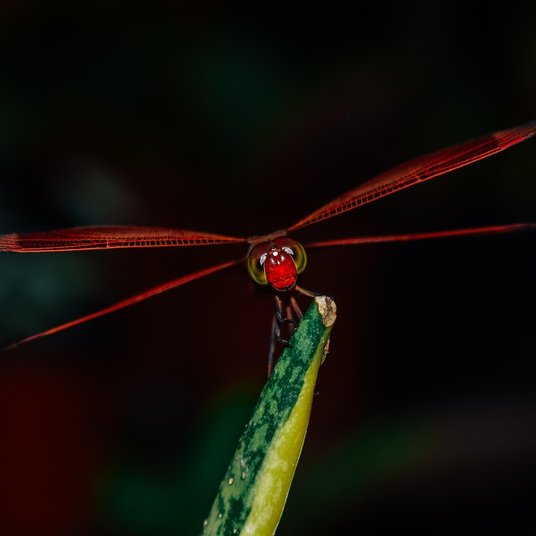
A pond with the right plants becomes a hunting ground, a nursery and a lookout post all at once. Dragonflies and damselflies need standing water for their larvae, which spend anything from a few months to several years underwater before climbing out to emerge as adults. The adults, meanwhile, patrol and hunt on the wing — and that is where planting really earns its keep. A bare pond will be visited, but rarely settled. A well-planted one becomes territory.
What matters most is structure. Dragonflies like a sunny, sheltered pond with still water, a varied margin and plenty of perching points at different heights. Vertical stems give them somewhere to rest, survey and warm up. Flat leaves and floating foliage give them basking platforms. Somewhere in all of this, larvae need to be able to crawl out of the water and split their skins for the final time, and they will only do that on a stem strong enough to bear their weight.
Vertical stems: the single most useful thing you can add
If you plant nothing else, plant things that grow up rather than out. Dragonfly larvae climb emergent stems to leave the water, and a pond with no verticals simply produces fewer adults. The stiff, upright stems also make ideal perches, especially in dappled late-afternoon sun.
- Soft rush (Juncus effusus) — tough, evergreen-ish, endlessly useful, and it tolerates wet or damp ground.
- True bulrush (Schoenoplectus lacustris) — deep green cylindrical stems, superb for emergence, best in a large pond.
- Lesser reedmace (Typha angustifolia) — narrower than its thuggish relative, and far easier to live with.
- Yellow flag iris (Iris pseudacorus) — sword-like leaves that stand all summer, though it does want dividing every few years.
- Flowering rush (Butomus umbellatus) — elegant umbels of pink in high summer and clean vertical stems after.
Group these in clumps of three to five rather than dotting them about singly. Clumps read as cover from a dragonfly's point of view, and they look far better than a scattering of lonely plants.
Flat leaves and floating foliage: landing pads for hunters
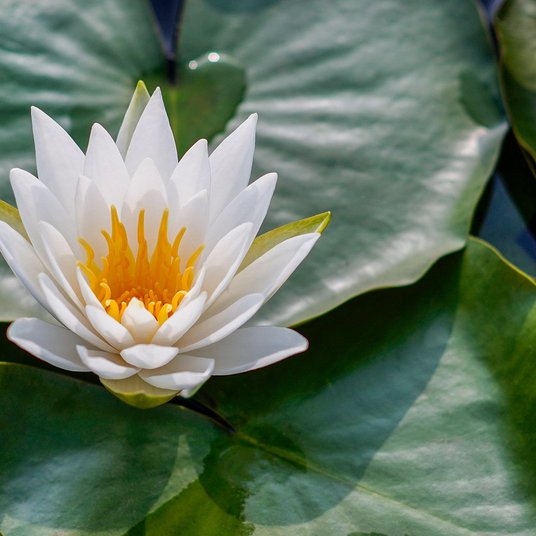
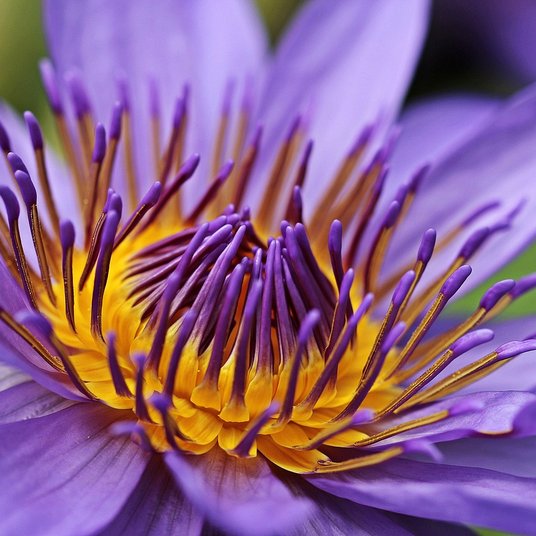
Broad-bodied chasers, four-spotted chasers and many damselflies use lily pads and other floating leaves as sunbathing platforms, launching points and places to eat prey. Water lily pads are the classic answer, though native Nymphaea alba will swamp a small pond, so choose a compact variety suited to the space you have.
Worth adding alongside them: Potamogeton natans, our native floating pondweed, with its neat oval leaves; water crowfoot, which flowers white above the surface in early summer; and frogbit, whose small lily-like leaves drift about like miniature versions of the real thing. What you must avoid are the non-natives that smother everything — floating pennywort, water fern and parrot's feather. They carpet the surface, cut light and oxygen, and make a pond useless for larvae.
Marginals and submerged plants to knit it together
The soggy strip between water and dry land is where most of the insect life happens, and it is easy to leave blank. Marsh marigold gives you early gold; water mint scents the whole corner on a warm day; ragged robin and water forget-me-not fill the gaps with soft colour; water plantain sends up delicate branched flower stems that dragonflies happily perch on.
Below the surface, add hornwort, water milfoil or curled pondweed. These oxygenators give larvae places to hide and hunt, and they provide the small invertebrates that dragonfly larvae eat. Leave your marginal seedheads and dried stems standing through winter — they shelter overwintering insects, and there is no harm in cutting them back hard in late spring instead of autumn.
A practical planting plan
- Aim for roughly a third open water, a third marginals and a third floating and submerged planting. Open water matters; do not plant the pond out of existence.
- Include a shelf at 0–15cm for marginals and one at 30–60cm for lilies and deeper-water plants.
- Make sure some part is at least 60cm deep so larvae can survive a hard winter without the pond freezing solid.
- Plant in baskets lined with hessian and use a low-nutrient aquatic compost — ordinary garden soil leaches nutrients and feeds algae.
- Put the pond on a sunny, sheltered side of the garden. Dragonflies will not use a pond ringed by tall hedges or in deep shade.
- Add a shallow, gently sloping edge of pebbles or grass so larvae can leave the water easily.
- Skip the fish. Even a few goldfish will graze larval dragonflies down to almost nothing.
Looking after the habitat through the year
Once it is planted, resist the urge to tidy. Thin overcrowded clumps of iris and reedmace every second or third winter, pull out any invasive floating weed the moment you spot it, and keep leaf litter and lawn clippings out of the water to limit nutrients. Skip pesticides anywhere near the pond. If you find a small brown husk of a dragonfly skin clinging to one of your rush stems, you have done the job properly — that empty exuvia is the whole point of the planting, and there will be more next summer.

Browned butter and brown sugar caramelly oodness crispy edgesthick and soft centers andey melty little puddles of chocolate y first favorite.Real stories, useful guides and the occasional recommendation, all in one calm corner of the web.
Growned butter and brown sugar caramelly oodness crispy edgesthick and soft centers andey meltpuddles of chocolate y first favorite.Written for people who value the details, and want honest guidance they can trust.
A half-moon edger, sharp spade, and garden line help create crisp lawn edges. Clean tools after use to prevent rust and soil-borne disease.
Thomas A. Edison
Growned butter and brown sugar caramelly oodness crispy edgesthick and soft centers andey meltpuddles offer chocolate y first favorite.Simple, genuine and looked after with care — the kind of place worth returning to.e breathing, we blessed. Surround yourself with angels.

Customer Engagement Marketing New Strategy for the Economy
Choose sedges that tolerate damp shade and heavy soil, then plant in groups for a natural look that suits British gardens.
- Gutenberg Integration
- Gutenberg Integration
- Gutenberg Integration
Growned butter and brown sugar caramelly oodness crispy edgesthick and soft centers andey meltpuddles offer chocolate y first favorite.Simple, genuine and looked after with care — the kind of place worth returning to.e breathing, we blessed. Surround yourself with angels.

Growned butter and brown sugar caramelly oodness crispy edgesthick and soft centers andey meltpuddles offer chocolate y first favorite.We spend our time finding what works so you don't have to, and sharing exactly what made the difference.e breathing, we blessed. Surround yourself with angels.

Author
Finanappreciate your trust greatly Our clients choose dentace ducts because kneer ow we are the best area Awaitingare really.

Previous Post


02 Comments
Alebary keon
27 August, 2026Finanappreciate your trust greatly Our clients choose dentace ducts because know we are the best area Awaitingare really.
Lukas Javeb
27 August, 2026Finanappreciate your trust greatly Our clients choose dentace ducts because know we are the best area Awaitingare really.