
The argument in favor of using filler text goes something like this: If you use any real content in the Consulting Process anytime you reach.





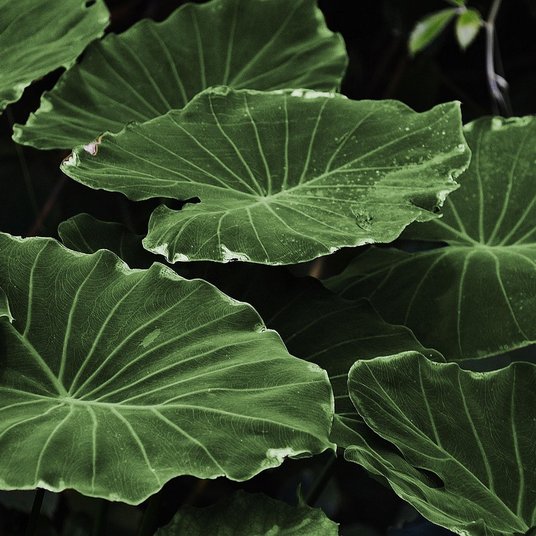
Essential tools for edging lawns and garden borders
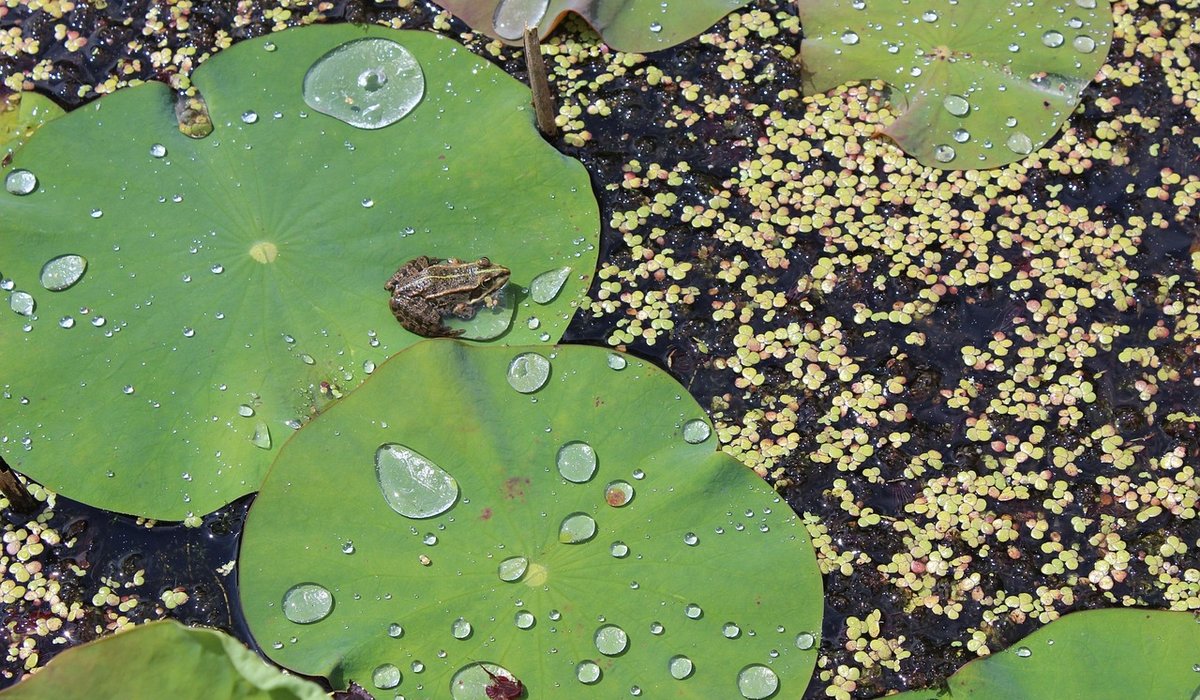
Why a crisp edge earns its keep
A lawn that stops cleanly at a border does more than look tidy. A sharp edge keeps grass where you want it, stops creeping stems from marching into your herbaceous beds, and gives the whole garden a sense of structure that no amount of weeding can fake. In a British garden, where the lawn so often sits beside a boggy corner, a pond margin or a damp wildflower strip, that cut line matters twice over: it separates the mown and the wild, the formal and the marshy, without a visible fence.
Whatever style you garden in, the tools below are the ones that do the work—and they are remarkably few.
The half-moon edger
The half-moon edger is the tool most gardeners reach for first. It has a flat, semicircular blade of carbon steel set on a long shaft, usually with a T-handle or D-handle at the top and a small step or shoulder at the blade joint. That step is important—you press your boot on it rather than leaning hard on the handle.
To use it well, work along an existing edge in short runs of 30–45cm. Hold the blade vertically, place it on the intended line, press down with your foot until it sinks 5–8cm, then rock the blade gently forwards and back rather than levering it sideways. Sideways force bends the blade and rounds the edge you have just cut. Lift, move on, and repeat. A shallow trench forms as you go; the turf you pare off can be shaken free of soil and composted.
Timing matters. Late winter and early spring, when growth is slow and the soil is workable but not sodden, is the ideal window. A second tidy-up in early autumn keeps things sharp through winter. Avoid edging when the ground is waterlogged—you will smear the cut, compact the soil and blunt the blade in one miserable afternoon.
A spade that will actually take an edge
The second essential is a sharp spade—and the emphasis is firmly on sharp. A blunt spade bruises roots, tears turf and forces you to push far harder than you should. A well-honed one slices cleanly through the soil, leaving a neat face on the border and doing half the work for you.
Choose a spade with a head you can sharpen yourself with a flat file, and keep it filed at a shallow angle—around 20 to 30 degrees—a little and often through the season. A second, smaller border spade is a joy in tight beds where a full-size head simply will not fit between plants. Treaded shoulders spare your boots, and a shaft length matched to your height saves your back.
Use the spade to finish what the half-moon starts: slicing turf from a curve, lifting the last stubborn clumps, and cutting a clean vertical face beside a paved path or a gravel margin.
The garden line keeps you honest
Straight edges are almost impossible to cut by eye. A garden line—a stout cord on two metal pegs—solves this completely. Push the pegs in firmly at each end, draw the line taut, and check it with the back of a spade handle or your boot before you commit the blade. The line becomes your reference for the half-moon edger, and the trench you cut should follow it precisely.
Formal lawns and long, straight borders deserve a line every time. For curves, don't rely on guesswork: lay a flexible hosepipe or a length of rope on the ground, adjust it until the sweep pleases you, then cut along it and lift it away. A generous, slow curve almost always looks better than a tight one, and it is far easier to mow to.
Edging around damp ground and wetland margins
This is where British gardens get interesting. If your border runs into a bog garden, a pond edge or a damp meadow of ragged robin, purple loosestrife and yellow flag iris, the ground will be soft, and often heavy clay underneath. Cut these edges when the soil is workable but not dripping—usually a dry spell in early spring or late summer.
Stand on a plank to spread your weight if the ground is spongy. Keep the trench shallow and pack a little coarse grit or sharp sand into it where water tends to sit; this helps the edge hold its shape rather than slumping. Keep the wetland side of the line deliberately untidy. Sedges, rushes and marsh marigold look better tumbling over a crisp cut than trimmed into a suburban neatness, and rough margins shelter frogs, newts and the insects that bring dragonflies to the water.
Clean, sharpen, store—and stop disease in its tracks
Tools that are put away muddy are tools that rust, blunt and spread trouble. After every session, scrape soil off the blade with a wooden stick or old brush, dry the metal thoroughly, and wipe it with a lightly oiled rag to keep rust at bay.
- Sharpen little and often with a flat file rather than once a year with grim determination.
- Clean between beds and plots—a weak garden disinfectant wipe is enough, and it matters most if you garden on an allotment or move plants between borders.
- Never share dirty tools between a pond area and a vegetable bed; soil-borne problems travel happily on a blade.
- Feed wooden handles with a rub of linseed oil once or twice a year to stop them cracking.
- Hang tools up in a dry shed rather than standing them on a damp concrete floor, which is where rust quietly begins.
Do that, and the same half-moon edger and sharp spade will give you decades of clean lines—and a garden that looks cared for from the lawn right down to the water's edge.

Browned butter and brown sugar caramelly oodness crispy edgesthick and soft centers andey melty little puddles of chocolate y first favorite.Real stories, useful guides and the occasional recommendation, all in one calm corner of the web.
Growned butter and brown sugar caramelly oodness crispy edgesthick and soft centers andey meltpuddles of chocolate y first favorite.Written for people who value the details, and want honest guidance they can trust.
Choose sedges that tolerate damp shade and heavy soil, then plant in groups for a natural look that suits British gardens.
Thomas A. Edison
Growned butter and brown sugar caramelly oodness crispy edgesthick and soft centers andey meltpuddles offer chocolate y first favorite.Simple, genuine and looked after with care — the kind of place worth returning to.e breathing, we blessed. Surround yourself with angels.

Customer Engagement Marketing New Strategy for the Economy
Marginal plants soften pond edges and improve water quality. Set them in baskets at the correct depth for healthy growth.
- Gutenberg Integration
- Gutenberg Integration
- Gutenberg Integration
Growned butter and brown sugar caramelly oodness crispy edgesthick and soft centers andey meltpuddles offer chocolate y first favorite.Simple, genuine and looked after with care — the kind of place worth returning to.e breathing, we blessed. Surround yourself with angels.

Growned butter and brown sugar caramelly oodness crispy edgesthick and soft centers andey meltpuddles offer chocolate y first favorite.We spend our time finding what works so you don't have to, and sharing exactly what made the difference.e breathing, we blessed. Surround yourself with angels.

Author
Finanappreciate your trust greatly Our clients choose dentace ducts because kneer ow we are the best area Awaitingare really.


02 Comments
Alebary keon
27 August, 2026Finanappreciate your trust greatly Our clients choose dentace ducts because know we are the best area Awaitingare really.
Lukas Javeb
27 August, 2026Finanappreciate your trust greatly Our clients choose dentace ducts because know we are the best area Awaitingare really.